
outdoor glass panels
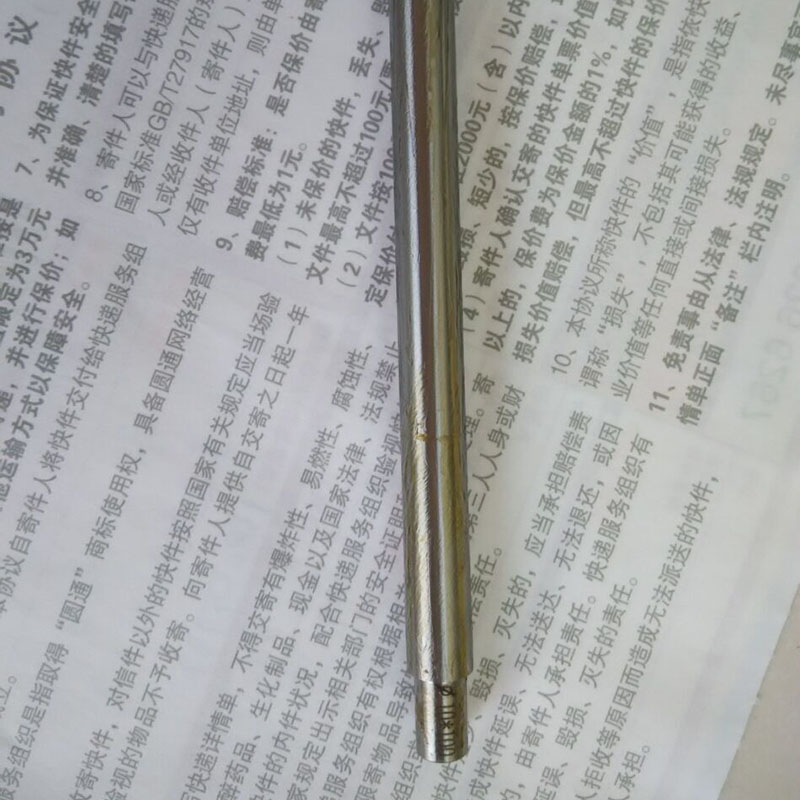
The Importance of Ring Gauges in Precision Measurement In the realm of manufacturing and quality assurance, precision is paramount. One of the critical tools employed in ensuring that the dimensions of components meet specific standards is the ring gauge. Ring gauges are cylindrical measuring instruments used to check the external diameter of products, such as shafts, pipes, and other round components. Their role in quality control processes cannot be overstated, as they provide a reliable means to ensure that products conform to specified tolerances. Functionality of Ring Gauges Ring gauges come in two primary forms go gauges and no-go gauges. The go gauge is designed to verify that the part being measured is within the acceptable range of dimensions. If the component fits into the go gauge, it meets the required specifications for size. Conversely, the no-go gauge is used to ensure that the part does not exceed the maximum allowable size. If the component enters the no-go gauge, it indicates that the piece is out of specification, signaling a need for adjustment or rejection. The design of ring gauges is crucial to their effectiveness. They are typically made from high-quality materials such as tool steel or carbide, ensuring they can withstand wear and maintain precision over time. The manufacturing process of these gauges involves meticulous engineering to achieve the desired tolerances. Even minute discrepancies in their dimensions can lead to significant errors in measurement, which is why consistent quality must be maintained during production. Advantages of Using Ring Gauges One of the primary advantages of ring gauges is their simplicity and ease of use. Operators can quickly assess whether a component meets the required specifications without the need for complex measurement tools . This efficiency is particularly valuable in high-volume manufacturing environments, where time is money, and fast, accurate measurements are essential for maintaining production schedules. ring gauges are used to check Additionally, ring gauges help in reducing the likelihood of human error. Unlike calipers or micrometers, which rely on the operator’s skill in reading measurements, ring gauges provide a clear pass/fail indicator. This feature minimizes subjectivity in measurements, allowing for consistent quality assurance across production lines. Applications of Ring Gauges Ring gauges are widely used across various industries, including automotive, aerospace, and precision engineering. In automotive manufacturing, for instance, ensuring that engine components fit together correctly is critical for performance and safety. By employing ring gauges, manufacturers can verify that parts such as bearings and crankshafts adhere to strict dimensional standards. In the aerospace sector, where safety is paramount and tolerances are often measured in microns, ring gauges play a vital role in ensuring that components operate reliably under extreme conditions. Any deviation in measurement can lead to catastrophic failures, making the precision offered by ring gauges indispensable. Conclusion In conclusion, ring gauges are essential tools in the toolkit of quality assurance professionals. Their straightforward design, efficiency, and reliability make them invaluable for verifying the dimensions of cylindrical components. By committing to the use of ring gauges, manufacturers can enhance their quality control processes, minimize defects, and maintain the high standards required in today’s competitive markets. As industries continue to evolve and the demand for precision increases, the role of ring gauges in achieving operational excellence will remain significant.
about
outdoor glass panels
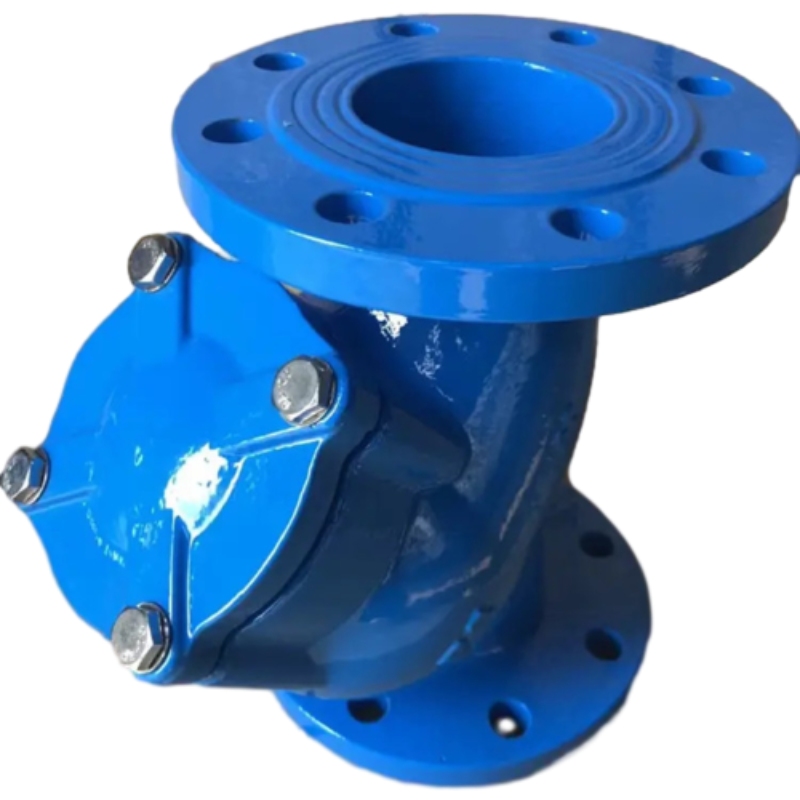
How to Change the Main Water Valve A Step-by-Step Guide Changing the main water valve in your home is an essential maintenance task that can prevent water damage and excessive leaks. Whether you're dealing with a malfunctioning valve or simply want to upgrade to a more reliable model, understanding the process is crucial. This guide will walk you through the necessary steps to change your main water valve safely and effectively. Understanding the Main Water Valve The main water valve is a crucial component of your plumbing system, as it controls the flow of water into your home. It’s typically located near where the water line enters your house, often in the basement, crawl space, or outside near the foundation. Knowing how and when to change this valve is important not just for repairs, but for emergencies, such as significant leaks or burst pipes. Tools and Materials You’ll Need Before you begin, gather the necessary tools and materials. You will need - A new main water valve (ensure it’s the correct size and type) - Pipe wrenches or adjustable wrenches - Plumber's tape - A bucket or towels to catch water - Safety glasses and gloves - A pipe cutter (if you need to remove any sections of pipe) Step-by-Step Process 1. Turn Off the Water Supply The first and most crucial step in changing the main water valve is to shut off the water supply to your home. This can usually be done at the municipal supply, often located at the street or in a designated access point. Once you turn this off, open a faucet in the house to allow any remaining pressure to escape, preventing backflow when you remove the valve. how to change main water valve 2. Drain the System To avoid flooding, it’s a good idea to drain the pipes. Open faucets at the highest and lowest points in your home to let any remaining water flow out. This step minimizes water spillage when you remove the old valve. 3. Locate the Valve Find the main water valve; it could be a gate valve or a ball valve. Inspect the connections and surrounding pipes to assess how best to approach the replacement. 4. Remove the Old Valve Using your pipe wrench, loosen the nuts connecting the valve to the pipes. Depending on the type of valve, you may need to cut the pipe if it is soldered or too corroded to remove easily. Be cautious here; ensure your cuts are clean to facilitate a better seal with the new valve. 5. Prepare the New Valve Before installing the new valve, measure the space to ensure a proper fit. Apply plumber’s tape to the threads of the new valve to prevent leaks. This helps create a watertight seal when you attach it to the existing plumbing. 6. Install the New Valve Position the new valve in place, ensuring it’s oriented to allow for the correct flow direction (usually indicated by an arrow on the valve). Tighten the connections with your wrench, ensuring they are snug but not overly tight, which could damage the fittings. 7. Restore Water Supply Once the new valve is securely in place, turn the water supply back on slowly. As you do this, watch for leaks around the fittings. If everything looks good, restore normal water pressure by turning on faucets and letting air escape. 8. Test the System Run water through the system to ensure the new valve is functioning correctly. Check all nearby connections for any signs of leaking. If you notice any drips, you may need to retighten the connections or apply more plumber's tape to ensure a secure fit. Conclusion Changing the main water valve in your home is a straightforward process that can save you from future headaches related to leaks and water damage. By following this step-by-step guide, you can safely replace your valve with confidence. However, if you encounter any complications or are unsure about the process, don’t hesitate to consult a professional plumber. Regular maintenance and timely repairs are key to keeping your plumbing system in optimal condition.
-

High quality industrial productsagement

High quality industrial products
View Details -

Meet the diverse needs of customers

Meet the diverse needs of customers
View Details -

Strict quality control

Strict quality control
View Details -

Top raw materials

Top raw materials
View Details -

Trusted supplier

Trusted supplier
View Details
Our application
news and information

Versatile Welding Table for On-the-Go Fabrication and Efficient Workspace Solutions
The Versatility and Importance of Portable Welding Tables In the world of welding, precision and con

Vibrationspads
Vibrationsdämpfer Die Bedeutung von Vibrationspads in verschiedenen Anwendungen In der heutigen Welt

Versatile 4x4 Welding Table for Efficient Metal Fabrication and Assembly
The Versatility and Utility of a 4x4 Welding Table In the world of metalworking and fabrication, hav
 English